
Fontana Truck Accident Attorney
Expert Truck Accident Lawyers Serving Fontana, CA
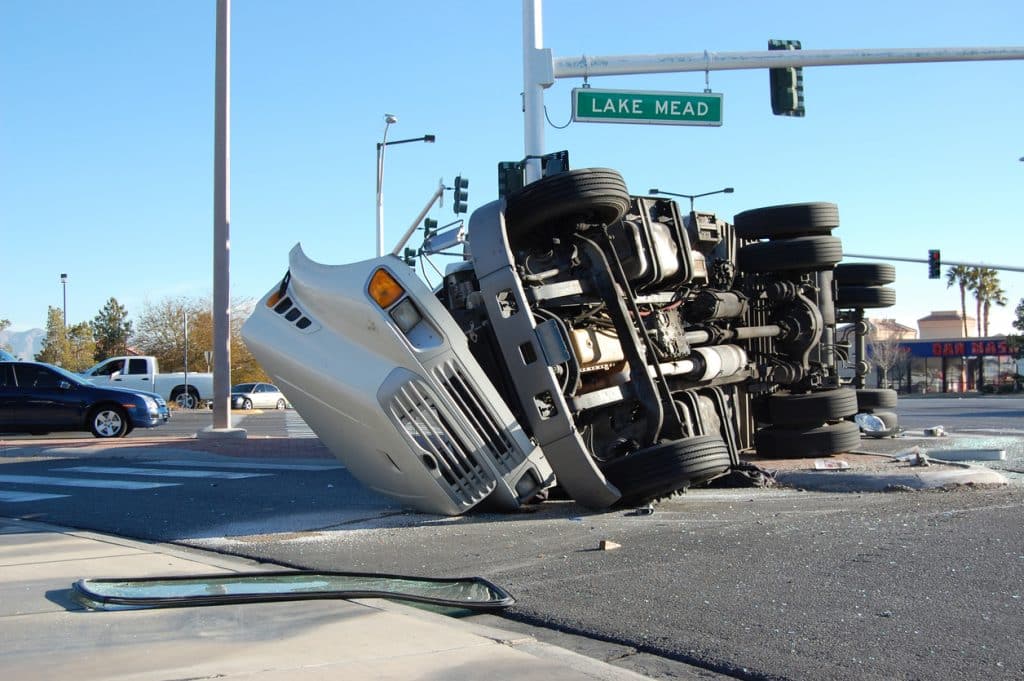
Semi-trucks are a vital part of American commerce, transporting goods across cities, states, and the entire country. With so many commercial vehicles on the road at any given time, it’s no surprise that truck-related accidents are unfortunately common. Due to the sheer size and weight of large vehicles like tractor-trailers, accidents involving smaller cars or motorcycles often result in devastating injuries and significant property damage.
If you or a loved one has been involved in a collision with a semi-truck or any large commercial vehicle, it’s crucial to seek legal guidance from an attorney who understands the complexities of these cases. Truck accident claims often involve multiple parties, including trucking companies, insurance providers, and even vehicle manufacturers, making them more challenging than typical car accident cases.
At Banner Attorneys, we have the experience and knowledge needed to handle truck accident cases effectively. Our dedicated Fontana truck accident attorneys are here to provide the support, guidance, and aggressive representation you need during this difficult time. We’ll fight to protect your rights and help you pursue the compensation you deserve for your injuries, medical expenses, lost wages, and more. Contact us today to schedule a free consultation and learn how we can help you navigate the legal process and start on the path to recovery.
California Truck Accidents: Understanding the Risks
Commercial trucks are powerful machines, and when fully loaded, they can weigh up to 80,000 pounds. When you combine that immense weight with the high speeds at which both trucks and passenger vehicles often travel, the impact of a collision can be devastating. Even accidents that seem minor at first glance can result in severe injuries or fatalities due to the sheer force involved.
Many truck accidents are caused by factors related to the demands of the trucking industry. Truck drivers often face long hours on the road, leading to fatigue that slows reaction times and impairs judgment. They may also feel pressured by tight delivery deadlines, pushing them to drive faster or take fewer breaks than is safe. Additionally, like all drivers, truck operators can become distracted by cell phones, navigation systems, or other in-cab distractions, increasing the risk of accidents.
These factors, combined with the size and weight of commercial trucks, create a high likelihood of serious accidents when things go wrong. Victims of truck accidents often face life-altering consequences, including catastrophic injuries, long-term disabilities, and emotional trauma. That’s why it’s crucial to seek legal support if you or a loved one has been affected by a truck-related collision in California.
Proving Liability or Negligence in California Truck Accident Cases
When it comes to personal injury cases in California, especially those involving truck accidents, proving fault and liability can be a complex process. California has strict legal standards for establishing who is responsible for an accident, which can be overwhelming if you’re unfamiliar with personal injury law or the specifics of truck accident claims.
Truck accidents often involve multiple parties, and it’s not always clear who is at fault. The responsible party could be:
- The truck driver, due to negligence like distracted driving, fatigue, or speeding
- The trucking company, for failing to properly train drivers or neglecting vehicle maintenance
- Cargo loaders, if improperly secured or unbalanced cargo contributed to the accident
- Manufacturers, in cases where mechanical defects or faulty parts played a role
- Local municipalities, if poor road conditions or lack of signage were contributing factors
Identifying the at-fault party—or parties—is critical because it determines how your case will proceed and who can be held financially responsible for your injuries. This process requires a thorough investigation, including reviewing accident reports, driver logs, maintenance records, and even black box data from the truck. Because of the complexities involved, it’s important to work with a legal professional who has experience handling these types of cases. Consulting with a Fontana truck accident attorney can give you the clarity and guidance you need to navigate the legal system, build a strong case, and pursue the compensation you deserve.
Injuries in Fontana Truck Accidents
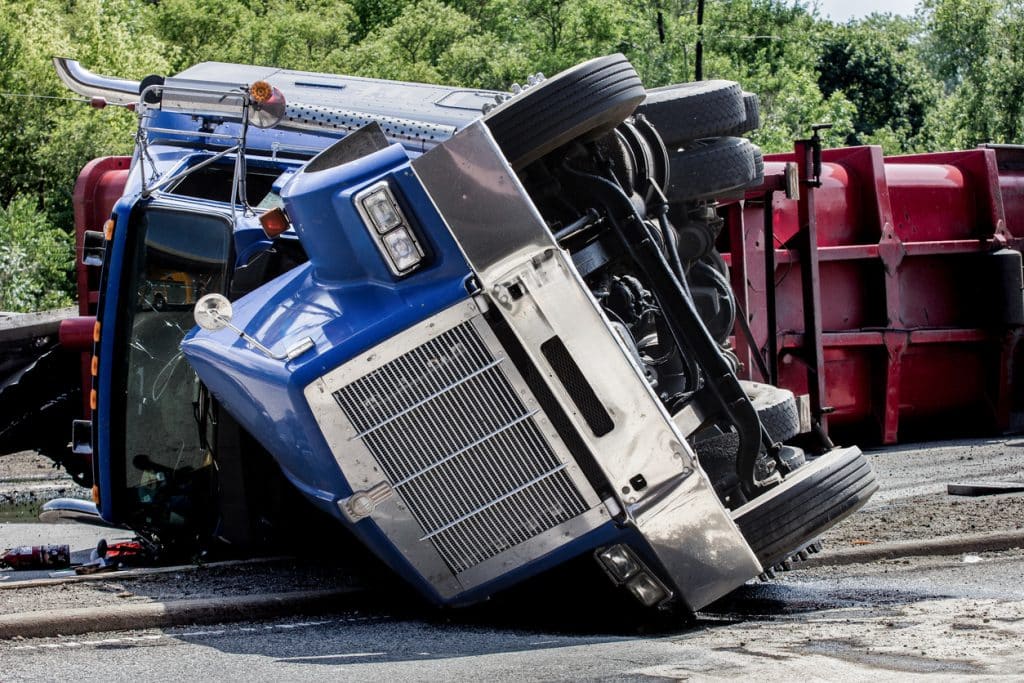
Truck accidents are among the most devastating types of collisions on the road, often resulting in catastrophic injuries due to the massive size, weight, and speed of commercial vehicles. While some accidents tragically result in fatalities, many survivors are left facing severe, life-altering injuries that can take years—or even a lifetime—to recover from.
At Banner Attorneys, we’ve worked with countless truck accident victims throughout the Inland Empire who have survived traumatic crashes only to face the harsh reality of a diminished quality of life. Some struggle to perform daily activities, provide for their families, or maintain the independence they once had. Others are left with permanent disabilities, chronic pain, and emotional trauma that affect every aspect of their lives.
While pursuing compensation can help ease the financial burdens caused by medical expenses, lost income, and long-term care, we understand that no amount of money can truly compensate for the pain, suffering, and hardship you’ve endured. That’s why Brian Banner and his dedicated legal team are committed to providing the support, guidance, and aggressive representation you need during this difficult time.
Common Injuries Resulting from Truck Accidents
Truck accidents can cause a wide range of serious injuries, including:
- Head Injuries: Concussions, traumatic brain injuries (TBI), and skull fractures can lead to cognitive impairments, memory loss, and long-term neurological issues.
- Internal Injuries: Damage to internal organs, internal bleeding, and other life-threatening conditions may not be immediately apparent after an accident.
- Spinal Cord Injuries and Paralysis: Injuries to the spinal cord can result in partial or complete paralysis, significantly impacting mobility and independence.
- Back and Neck Injuries: Whiplash, herniated discs, and other spinal injuries often cause chronic pain and limit physical activity.
- Broken Bones: Fractures in the arms, legs, ribs, or pelvis are common in high-impact collisions and can require multiple surgeries and lengthy rehabilitation.
- Rib and Torso Injuries: Blunt force trauma to the chest can damage vital organs, cause broken ribs, and impair breathing.
- Lacerations: Deep cuts and abrasions can lead to permanent scarring and increase the risk of infection.
- Seat Belt Injuries: While seat belts save lives, they can also cause injuries such as bruising, chest injuries, and abdominal trauma in severe crashes.
- Wrongful Death: Sadly, many truck accidents result in fatalities, leaving families to cope with the devastating loss of a loved one.
The Harsh Reality: Fatalities in Truck Accidents
Statistics show that fatalities in accidents involving large trucks, such as tractor-trailers, are significantly higher compared to collisions involving only passenger vehicles. This tragic reality highlights just how dangerous these accidents can be and the lasting impact they have on victims and their families.
Seeking Justice After the Loss of a Loved One
When a truck accident results in the tragic loss of a loved one, the emotional and financial toll can be overwhelming. In these heartbreaking situations, having the support of an experienced Fontana truck accident attorney is invaluable. We are here to:
- Advocate for your family’s rights
- Pursue justice against the responsible parties
- Seek maximum compensation for your losses
This may include both economic damages, such as:
- Lost wages and future earning potential
- Medical expenses related to the accident
- Funeral and burial costs
As well as non-economic damages, including:
- Pain and suffering
- Mental anguish and emotional distress
- Loss of companionship (loss of consortium)
- Property damage
We’re Here to Support You Through This Difficult Time
We understand that no amount of compensation can truly make up for the profound loss you’ve experienced. However, pursuing a legal claim can help provide the financial support your family needs to navigate this difficult period and start the healing process. At Banner Attorneys, we’re committed to standing by your side with compassion, determination, and the legal expertise needed to fight for justice. Contact us today for a free, confidential consultation. Let us help you take the first step toward recovery and securing the compensation you deserve.
How Banner Attorneys Can Help
At Banner Attorneys, our experienced Fontana truck accident attorneys have the specialized knowledge and skills needed to navigate the complexities of truck accident cases. We understand that these types of accidents involve more than just a collision—they often require detailed investigations, a thorough understanding of federal and state trucking regulations, and the ability to identify critical evidence that can make or break a case. From reviewing driver logs and maintenance records to analyzing accident reports and consulting with industry experts, we know how to build a strong case that supports your claim.
It’s important to remember that insurance companies are not on your side—even your own insurance provider. Their primary goal is to protect their bottom line, which means they may try to deny responsibility for the accident or, if they do accept liability, they will often work hard to minimize the amount of compensation they have to pay. They may employ their own teams of legal experts, adjusters, and investigators to find ways to undervalue your claim, dispute the extent of your injuries, or pressure you into accepting a quick settlement that’s far less than what you truly deserve.
At Banner Attorneys, we are dedicated to protecting your rights and making sure you’re not taken advantage of during this difficult time. Our legal team will conduct a thorough investigation of your accident, gather strong evidence, consult with experts when necessary, and aggressively advocate for you throughout every stage of the legal process. We’ll handle the negotiations with insurance companies, fight for your best interests in court if needed, and work tirelessly to ensure that you and your family receive the full and fair compensation you deserve for your injuries, losses, and future needs.
Contact Our Fontana Truck Accident Attorney Today
If you or a loved one has been injured in a truck accident due to someone else’s negligence, we’re here to help. At Banner Attorneys, we understand how overwhelming this time can be, and we’re ready to stand by your side to fight for the justice and compensation you deserve. Unlike some law firms that handle a wide range of cases, our focus is solely on personal injury law, which means we’re deeply committed to advocating for injured victims in Fontana and the surrounding areas.
When you call (909) 681-1622, you’ll speak directly with an experienced and compassionate Fontana truck accident lawyer who is dedicated to understanding your case and guiding you through the legal process. We work on a contingency fee basis, which means you don’t pay us unless we win your case. If we don’t recover compensation for you, you owe us nothing—no hidden fees, no upfront costs.
Contact us today for your free, confidential consultation. We’ll handle the legal work so you can focus on what matters most: your recovery. Let us help you get started on the path to justice and financial security.
Client Review

“I cannot say enough about Brian Banner and his law firm! He took such great care of us. I would highly recommend Brian and his law firm for anyone that has been in an accident.”
––Heather B., YELP REVIEW